• Home
  • About Catherine Cheek
  • Writing Resume

Kater’s Art

artblog and writing resume

Category:

  • alternart
  • Art Journal
  • books
  • drawing
  • Glass
  • henna
  • pottery
  • Printmaking
  • Tiles
  • Uncategorized
  • wood

Archives:

  • July 2008
  • June 2008
  • May 2008
  • April 2008
  • March 2008
  • February 2008
  • January 2008
  • December 2007
  • November 2007
  • October 2007
  • September 2007
  • August 2007

Blogroll:

  • Amalia Fisch
  • Black Wren Morris
  • BoingBoing
  • Bridget Cherie Harper
  • Caged Faeries
  • Ecstatic Days
  • Endicott Studios
  • Glass Maze
  • Jerome Stueart
  • Keyan Bowes
  • Livejournal
  • Lucy Snyder
  • Nick Wolven
  • Tender Comrade
  • The Blatantly Obvious

Meta:

  • RSS
  • Comments RSS
  • Valid XHTML
  • XFN

Making of a Book

February 29th, 2008 by admin

papercutting sheetsfolding signaturesmarking the holeslining up the holesready to sewsewn signatures showing linen tapesgluing the signaturesmaking wheat pastegluing the mulltrimming the block of pagespasting the covers on

This is a how to of how I make books.  I do it very differently from other people.  For one, I don’t have that loom-like contraption that most books on hand-binding feel is essential.  The books I make are around 3X4 inches, so I am able to hold the entire block in my hands easily.

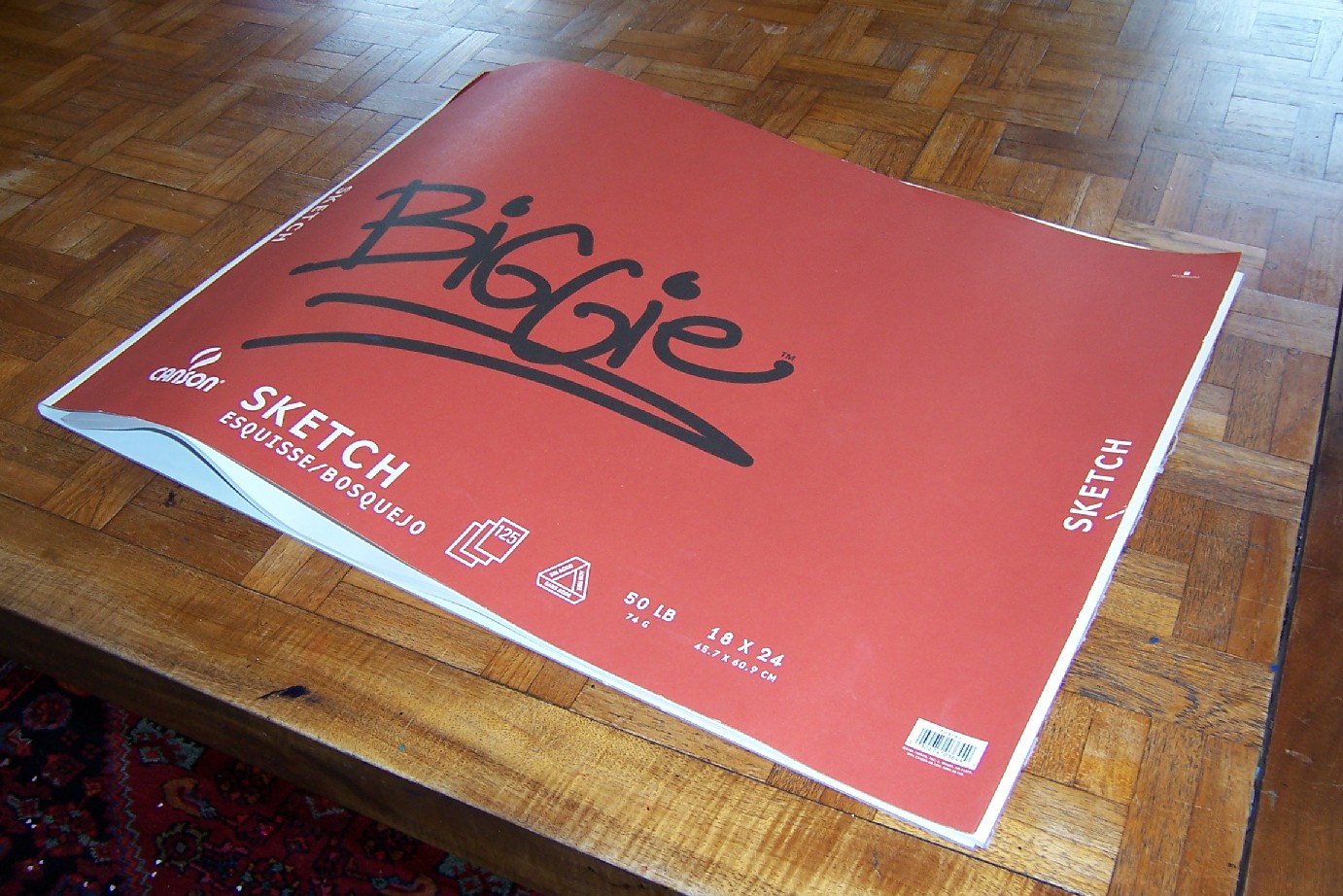
1. Paper:  Paper is the most expensive part, so I make small books, and buy sketchpads on sale.

2. Cutting the Paper:  I used to do this by hand, or with a mat cutter, but the guillotine cutter saves lots of time.  It’s not as accurate, but that’s why I trim later.

3. Folding the signatures: I use six signatures of six sheets each.  They have to be folded over together and creased with a bone folder.  My ‘bone folder’ is a piece of buffalo horn that I got as a ceramics tool.

4. Marking the signatures: I try to leave a quarter inch at either end so I have extra for trimming later.

5. Making the holes:  I use the marks as a guide for the first one, and then after that I use the holes as a guide and plunge the awl through one signature into another.

6. Sewing the signatures: I wax the linen thread first by passing it through the center of a beeswax tealight.

7. Sewn signature showing linen strip: The next stages are to glue the back edge of the signatures together and then to paste on the mull.

8. Gluing the signature: This keeps the signatures from gapping when the book is opened.

9. Making wheat paste: 1 and a half cups water, for tablespoons of flour, cook until thick.

10. Gluing the mull: I use white glue for the spine, as it is more flexible.  This time I decided to see if it was better to trim the mull before or after gluing.  (Before is better.)

11. Trimming the block: Metal ruler, block of wood, exacto knife, and C clamp.

12. Pasting the covers:  The covers are two rectangles of mat board, slightly taller than and about the same width as the block.  A second strip of matboard, used to protect the spine, is glued to the inside of the cloth or paper or buckram (whatever I use to cover it.).

There are a lot of ‘necessary’ steps that I don’t do, like sanding the corners of the matboard (I usually forget).  Most books on bookbinding also have plans for contraptions to press the books flat (I use a stack of metal weights) to trim them (see above) and to hold them for sewing (I use my left hand.)  Sometimes I think it’s better not to worry about doing something ‘right’, and just do it.

Posted in books | No Comments

Laura’s Art Journal

February 27th, 2008 by admin

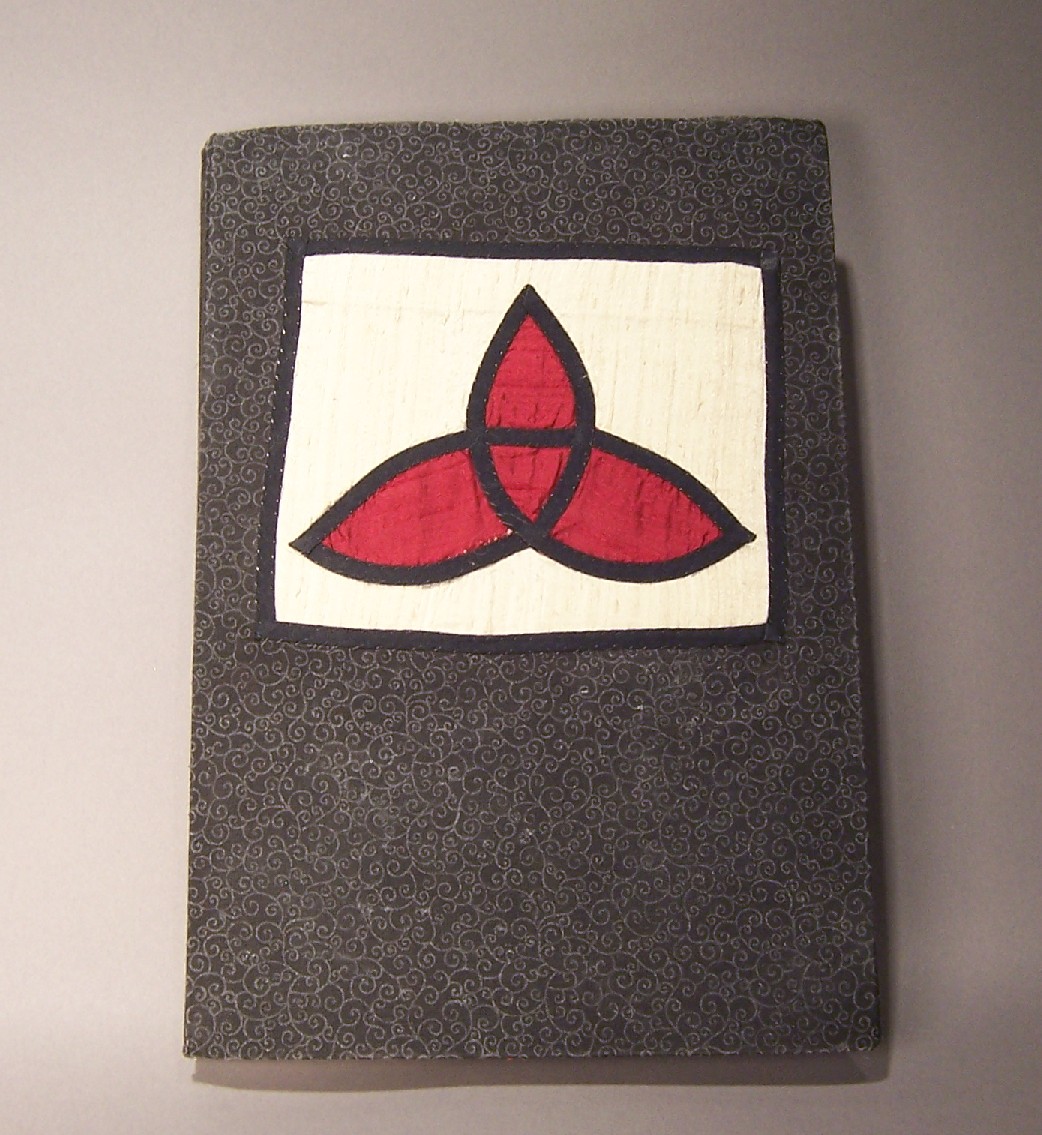
Laura’s Art Journal–Laura’s fifth pageLaura’s Art Journal–Laura’s fourth pageLaura’s Art Journal–shared pageLaura’s Art Journal–Kater’s Third PageLaura’s Art Journal–Laura’s Third PageLaura’s Art Journal–Kater’s Second PageLaura’s Art Journal–Laura’s second pageLaura’s Art Journal–Kater’s first pageLaura’s Art Journal Entry PageLaura’s Quilted CoverThis is my sister’s art journal. We made a pair of them and took turns doing pages.  She currently has mine, and I have one page left to do in hers.  We might take a while to finish it, as we are in the middle of another art project, the altered book round robin.  Reproduction allowed courtesy of Laura Hill.

Posted in Art Journal | No Comments

Air Faerie

February 24th, 2008 by admin

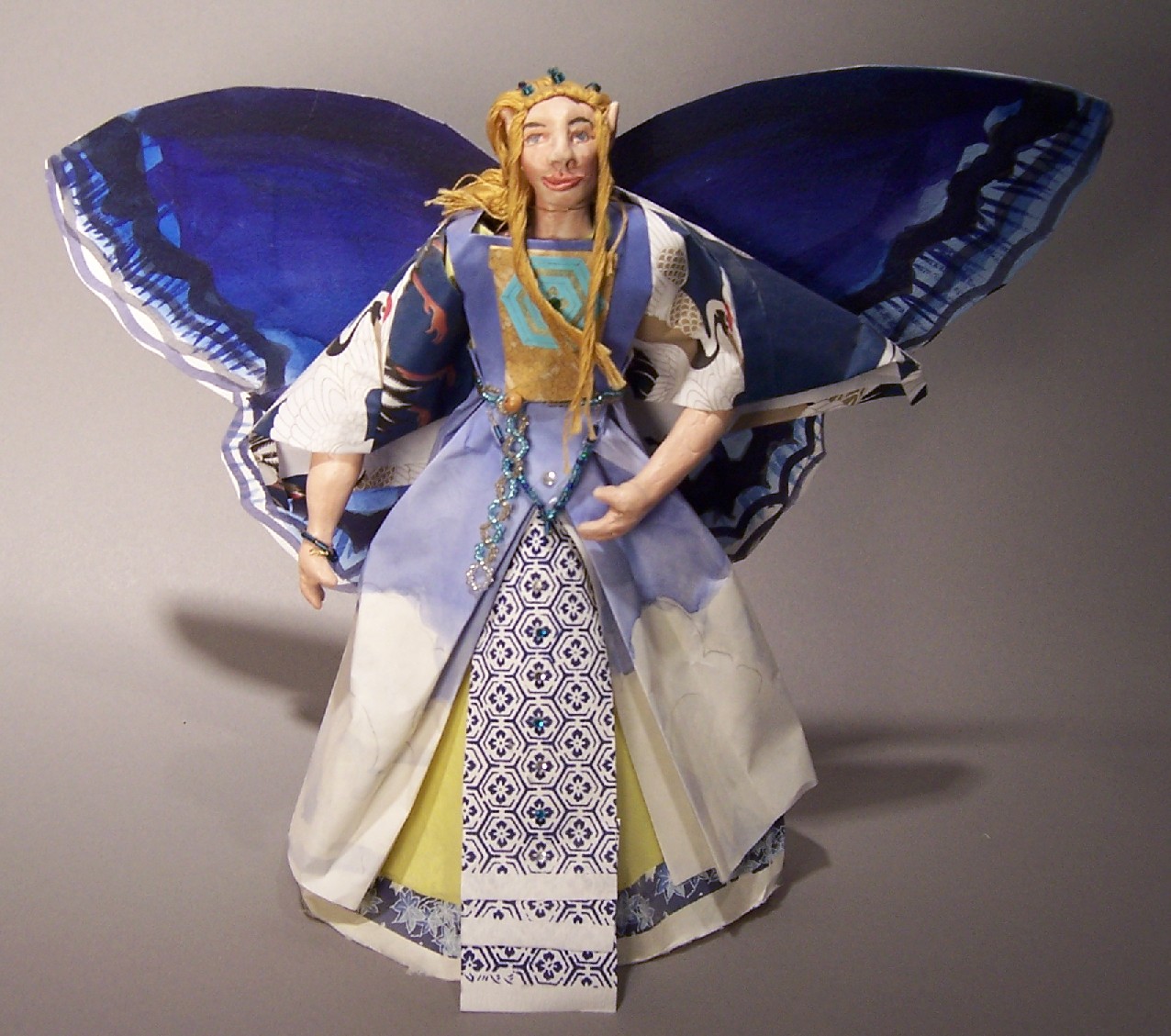
Air faerie

This is one of my old faeries, one of the first I made with paperclay faces. She’s also one of my favorites.

Everything is made by hand.  I painted the wings, made the hair, made the dress from my own pattern, sculpted the face and hands and feet, painted them, wired them together, etc.  Pretty much the only thing I didn’t do was make my own beads.  It takes hours and hours of work, and I have to dip extensively into my paper and art supplies.  When I sold them at art fairs, I grossed in the very low two figures for them.   This is what made me decide to not make art to sell anymore.  I don’t think people appreciate art, especially if they don’t spend very much for it.  I’d rather give my art away to someone who will love it than sell it for too low a price.

Creative Commons License
This work is licensed under a Creative Commons Attribution-Noncommercial-Share Alike 3.0 Unported License.

Posted in alternart | No Comments

Glass Flowers 1

February 21st, 2008 by admin

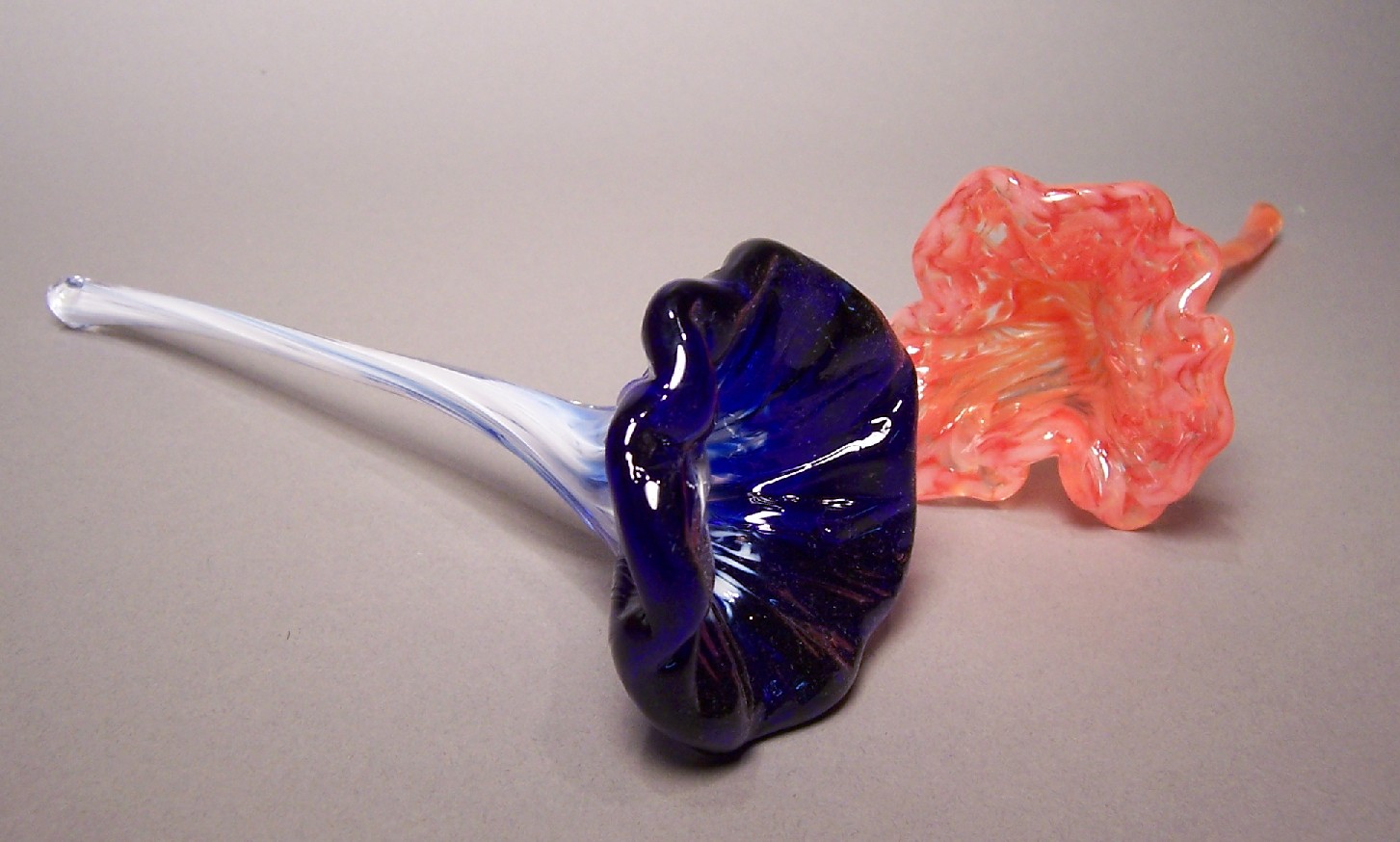
Glass Flowers 2Glass Flowers 1

These are simple to make, and we often make them if there isn’t enough time left in class for anything else.  You can make them with spiraled stems, but I like them straight, as they fit into a cupholder.

Posted in Glass | 2 Comments

Laura’s Altered Book

February 19th, 2008 by admin

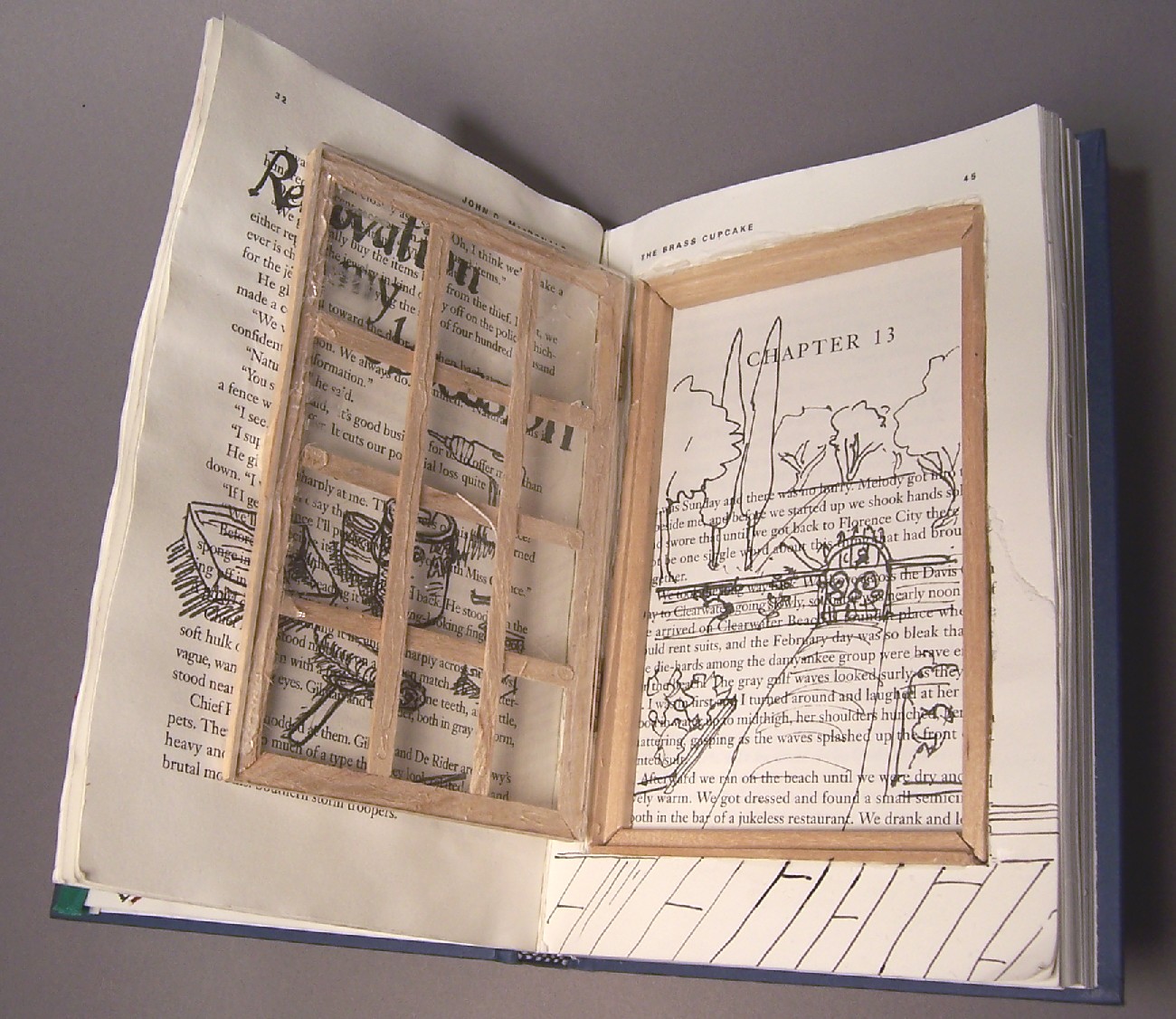
Laura’s Altered Book–Kater’s Page, view twoLaura’s Altered Book–Kater’s PageLaura’s Altered Book–Laura’s pageThis is the altered book that my sister started for our round robin.  It’s quite difficult to photograph them, as they don’t want to lie flat.  I hope I can come up with a better way, maybe a clear acrylic plate holder or something.

I might paint the scene behind the door (the hinges work!) so that there’s some color, but I haven’t decided yet.  I have another month to alter it before I have to send it along. 

The door was extremely difficult, and I had a hard time making everything fit, even after measuring carefully several times.  I made the mullions and the frame out of thin scraps left over from our maple flooring. The glass is a sheet of plexiglass that I trimmed to fit.

Posted in Art Journal | No Comments

« Previous Entries

 
Wordpress Themes by and Website Templates by Blogcut